


Innovation First
We found The Golden Age because of a profound optimism for the future and a shared excitement about building it. Our confidence in what lies ahead comes from understanding the incredible progress humanity has made. Not so long ago, life was tough for everyone—just 10,000 years ago, our ancestors survived by foraging, hunting, and wearing animal skins.
But history shows that each new invention helped solve the challenges of its time, setting us on a remarkable path forward. These are just a few of the groundbreaking innovations people have created to drive humanity toward greater peace and prosperity:
The wheel (circa 3500 Before Common Era) - Ancient Mesopotamia (modern-day Iraq)
Writing (c. 3200 BCE) – Mesopotamia
Printing Press (c. 1440) – Germany (Johannes Gutenberg)
Electricity & Light Bulb (19th Century) – Light bulb: United States (Thomas Edison) and concurrently in the United Kingdom (Joseph Swan)
Steam Engine (late 17th - 18th Century) – England (United Kingdom)
Vaccination (1796) – England (Edward Jenner)
Telephone (1876) – United States (Alexander Graham Bell, Scottish-born inventor living in the US)
Automobile (late 19th Century) – Germany (Karl Benz)
Airplane (1903) – United States (Wright Brothers)
Penicillin (1928) – United Kingdom (Alexander Fleming)
Computer (20th Century) – United Kingdom (Alan Turing, Charles Babbage; first programmable computers in Germany and the US)
Internet (late 20th Century) – United States
Smartphone (21st Century) – United States (first iPhone: Apple, California)
Reusable rockets (December 21, 2015) – United States (SpaceX)
AI chatbots (Eliza in 1966), Modern AI Chatbots (21st Century) - United States (OpenAI, Google, and others)
These innovations delivered peace and prosperity for all who could access them.
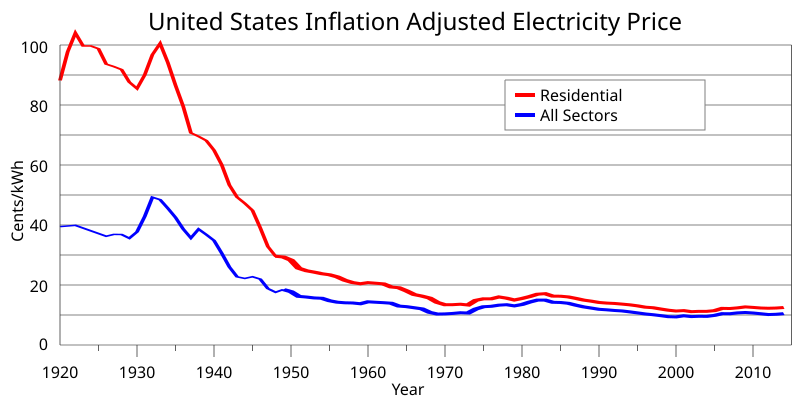
For most of human history, people lacked the means to build homes with modern comforts like climate control to survive harsh winters and scorching summers. Today, we have developed methods and devices that require only a few hours of labor per month to keep homes and buildings at the exact temperature we want, regardless of the weather or season—all thanks to innovations in cooling and heating systems, and in energy production that lowered energy costs.
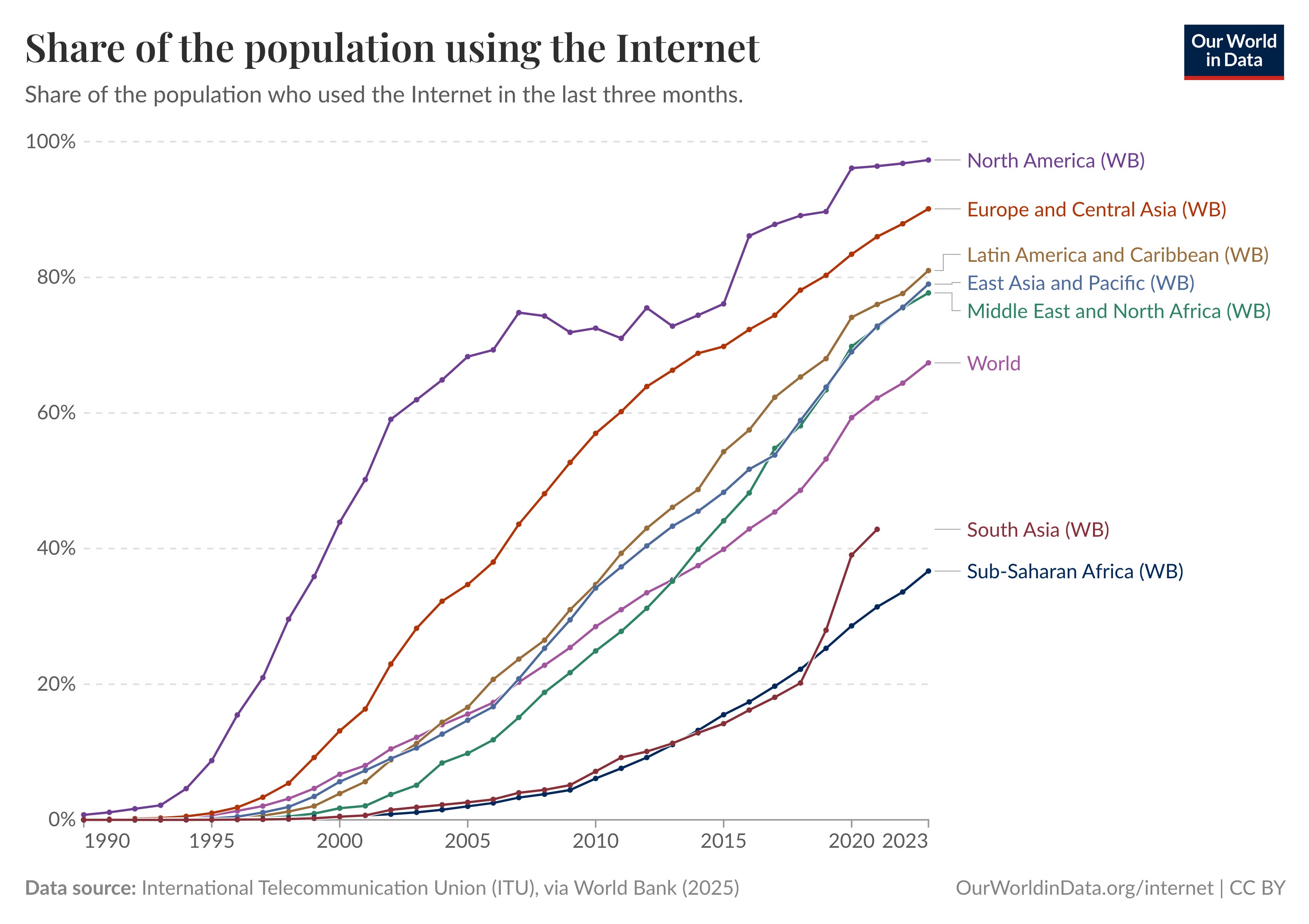
A few hundred years ago, people didn’t have the tools to communicate with each other, share knowledge on a mass scale, or in real time. Today, we don’t have to travel to another location and sift through countless dusty books to access knowledge; instead, we have real-time, lifelike conversations with devices we build, which contain all the knowledge in the world accessible anywhere on the planet in the palm of our hands, in our laps, via headphones, and even in our glasses. We have the tools to reach the 8.1 billion people worldwide and connect with individuals with specialized experience or knowledge. Thanks to innovations in telecommunications and technology.
On top of it, we can use those devices to create more tools to solve virtually any problem we have or can imagine, not just for ourselves or those around us, but for anyone on the planet.
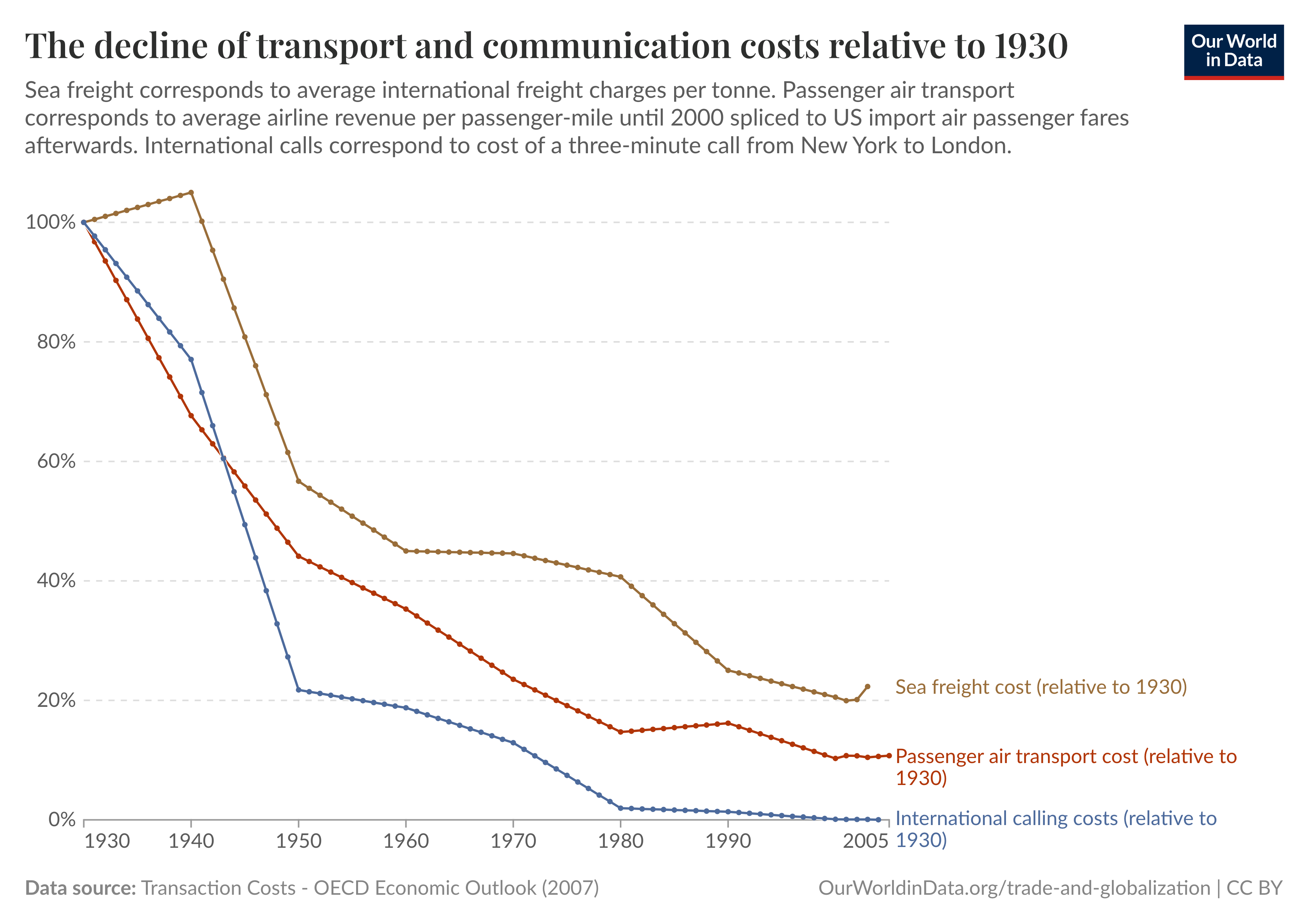
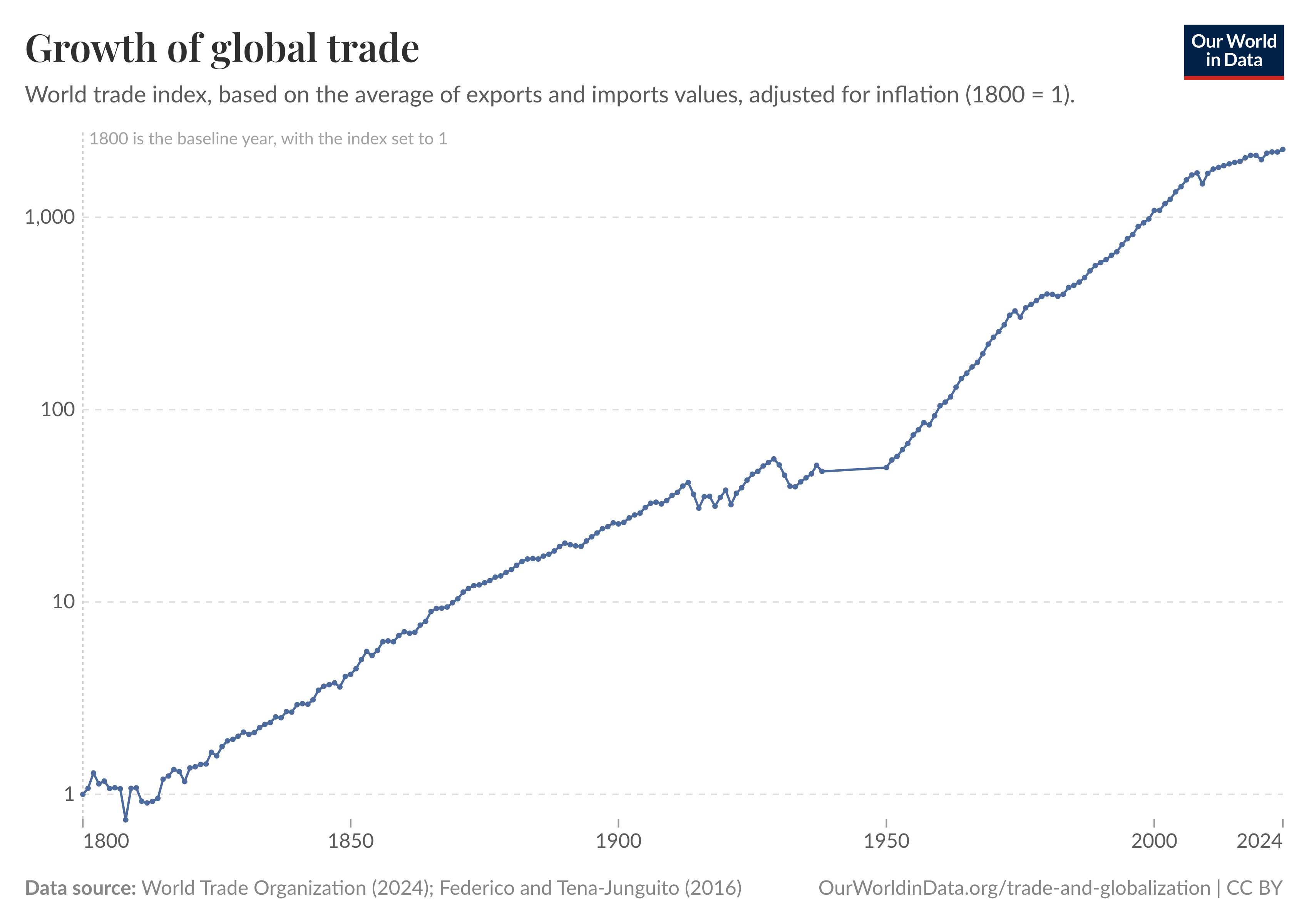
Transacting and exchanging with people outside one’s town, or delivering goods over long distances, was extremely difficult. Today, we have the tools to transact with anyone across the globe, using thousands of forms of money and stores of value. People can choose from over a billion different products from anywhere on Earth (Amazon alone offers 350 million) and have them delivered to anyone’s doorstep on the planet. Thanks to innovation in banking and supply chains.
Healthcare was out of the picture. Until at least 1800, the average life expectancy worldwide was under 40 years. By 2021, the global life expectancy average was around 71 years. That is almost doubling people’s lives in just over 200 years. Thanks to innovation in medicine, pharmaceuticals, and healthcare.


Our mission
The mission of The Golden Age is to bring peace and prosperity to people everywhere, which is what all of us ultimately seek in every action and decision we make. While true peace comes from within, most of us mere mortals are not willing to become monks and give up the luxuries I described above. A certain level of prosperity is needed to achieve the comfort we seek.
We focus on discovering solutions for underlying causes.
Politics is the art of achieving the maximum amount of freedom for individuals that is consistent with the maintenance of the social order.
—Barry Goldwater
All innovations, including those above, emerged from a need to solve a specific problem. They were not planned in boardrooms or on legislative floors, and if government agencies helped pay for some of them, they were funded by the taxpayers, who could have funded them themselves.
These remarkable achievements have happened in a brief moment of human history—things unimaginable a few centuries ago, and still out of reach for many. Yet, they remind us that progress is possible. Humanity has always risen to solve even the toughest challenges, and there’s a real chance that someone, somewhere, has already found a solution to the challenge you’re facing or one very much like it, or is currently working on it.
At times, it feels like we’ve lost sight of our history and our remarkable ability to solve problems. Instead of trusting our own capacity for innovation, we wait for someone else to rescue us—often looking to the wrong people. Too often, we overlook and fail to support the real changemakers—engineers, entrepreneurs, and business owners—while giving too much attention to those who offer only talk and promises, like politicians trying to win votes.
Laws don’t solve problems—they attempt to shape behavior.
We have become too focused on solving our issues through government intervention and have ended up giving up the exact powers that created progress in the first place. The vast majority of progress didn’t come from legislation. It came from innovators.
We don’t need the right to innovate. The right to innovate is a human right just like the right to think and speak your mind. When the government raises barriers to innovation, the first people who get hurt are the most vulnerable.
It’s the innovators who create progress, not the legislators.
Measures like price controls, for example, address symptoms rather than the underlying causes, such as high production or labor costs. Most laws are passed with good intentions, yet rarely reach the root of the issue and always create lasting, unintended consequences, which politicians are happy to blame on someone else. Real progress happens when we look deeper, encourage innovation, and support those genuinely working to solve the underlying issues.
We often become so focused on passing laws - rules and standards - that we start believing lawmakers alone can fix our problems. While sound policy lays the foundation for order and enables people to build peace and prosperity, laws themselves cannot solve the majority of our issues, as they can only shape our behavior. Laws are simply rules we decide to abide by, but if there are too many of them, people give up innovating altogether. The rules we set for ourselves should encourage problem-solving, not discourage it.
Our method
We use First Principles thinking to do that. First principles is a problem-solving approach that involves breaking down complex ideas, problems, or processes into their most basic, fundamental parts. Once you identify these core truths—things that cannot be reduced further—you reason upwards from there, building understanding and solutions step by step, without relying on assumptions or inherited beliefs. This is what Elon Musk used to found at least nine revolutionary companies and create at least $2 Trillion in value (the sum of all the companies he built at their peak valuations).
To achieve this, we are building a community of like-minded individuals who want to solve the challenges we face and create wealth in the process. This approach solves two issues at once: one, it improves people’s lives without coercion by resolving problems at their root; two, it takes power away from the state and returns it to the constituency. Politicians are masters at spinning issues to put themselves in a positive light and blame the critics. They exploit issues by promising results they cannot deliver and passing laws that transfer power from the people to the state, while securing personal advantages through backroom deals that benefit themselves and their friends.
Dedicated Teams, Not Crowds
It is an inevitable defect, that bureaucrats will care more for routine than for results.
—Walter Bagehot, The English Constitution (1867)
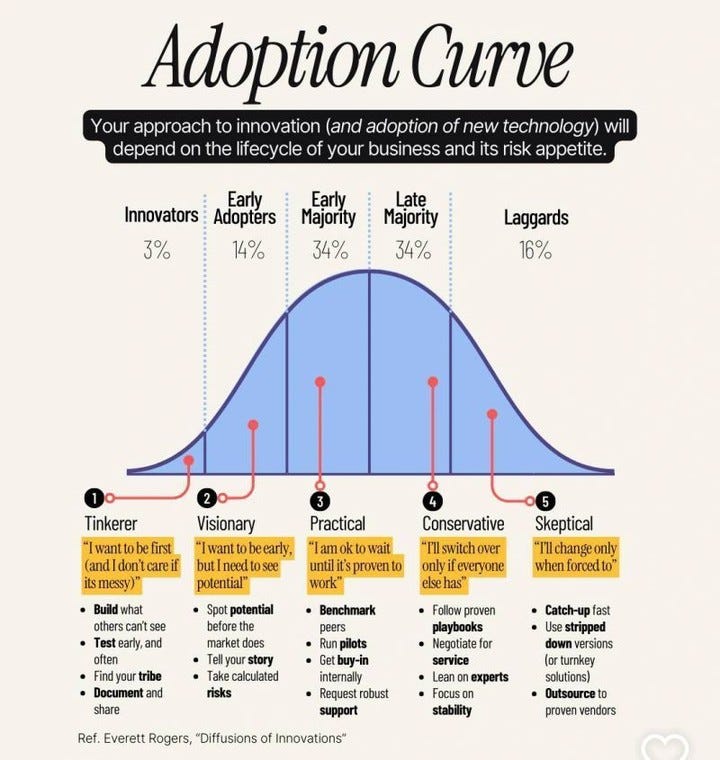
Revolutions don’t require everyone’s participation, and innovation doesn’t happen by committee. Real progress never emerges all at once from the masses—it starts with individuals, is championed by leaders, and shaped by small, dedicated groups. The world truly changes when these pioneering ideas demonstrate what’s possible, and others choose to embrace and adopt them.
Rogers’ innovation adoption curve illustrates how new ideas spread, starting with innovators, then early adopters, followed by the early and late majority, and finally laggers. Our goal isn’t to reach or please the masses. Instead, we focus on finding committed individuals who are willing to test and implement the ideas we develop together.
Our role
The Golden Age newsletter will provide the following types of intelligence, news, and analysis:
Defining the problem:
A breakdown of complex issues down to their fundamentals using first principles so that we can uncover and address their true root causes.
Analysis of research and data from academia, businesses, nonprofits, think tanks, and governments to provide context—so we can focus on building solutions that address root causes rather than getting lost in politics.
Evaluating solutions:
Summaries of the most important conversations, interviews, and presentations on current affairs to capture a wide range of viewpoints and ideas.
Evaluation of public-sector solutions and their impact by analyzing current and proposed laws, policies, and regulations.
Assessment of private-sector innovations, businesses, and organizations providing real solutions to these challenges.
Building and funding solutions:
Proposals for businesses and/or policies that entrepreneurs and lawmakers can use to address specific issues.
Analysis of businesses, markets, economics, and investments to understand how companies stay competitive, solve problems, and create prosperity. This will help us build organizations that last and identify investments with long-term, durable competitive advantages—the kind Warren Buffett likes.
Long-term goal
Our long-term goal is to create a practical framework that can be applied to challenges of all kinds—one that enables us to identify the root causes of problems, develop and fund effective solutions, and pass laws that support human flourishing and innovation.
If this resonates with you, we would love to hear your thoughts.
Thanks again, and please tell a friend who will find this interesting.
Wishing you peace and prosperity!
The Golden Age